I've wanted to write this piece for a long time. I've had so many conversations about this topic, and written various social media captions about it over the years, but when it comes to penning a full article, I just haven't. I don't want to sit for hours, tarnishing my favourite event of the year with negativity; I don't want to confront something I dislike. However, becoming a mother has evolved me in ways I did not anticipate, one being I feel compelled to challenge any opinions or actions I feel could harm or negatively impact my daughter, either now or in the future. Now I do my best every single day to ensure she's growing up in a world that's as kind to her as I can possibly make it, and sometimes that means standing up and speaking out.
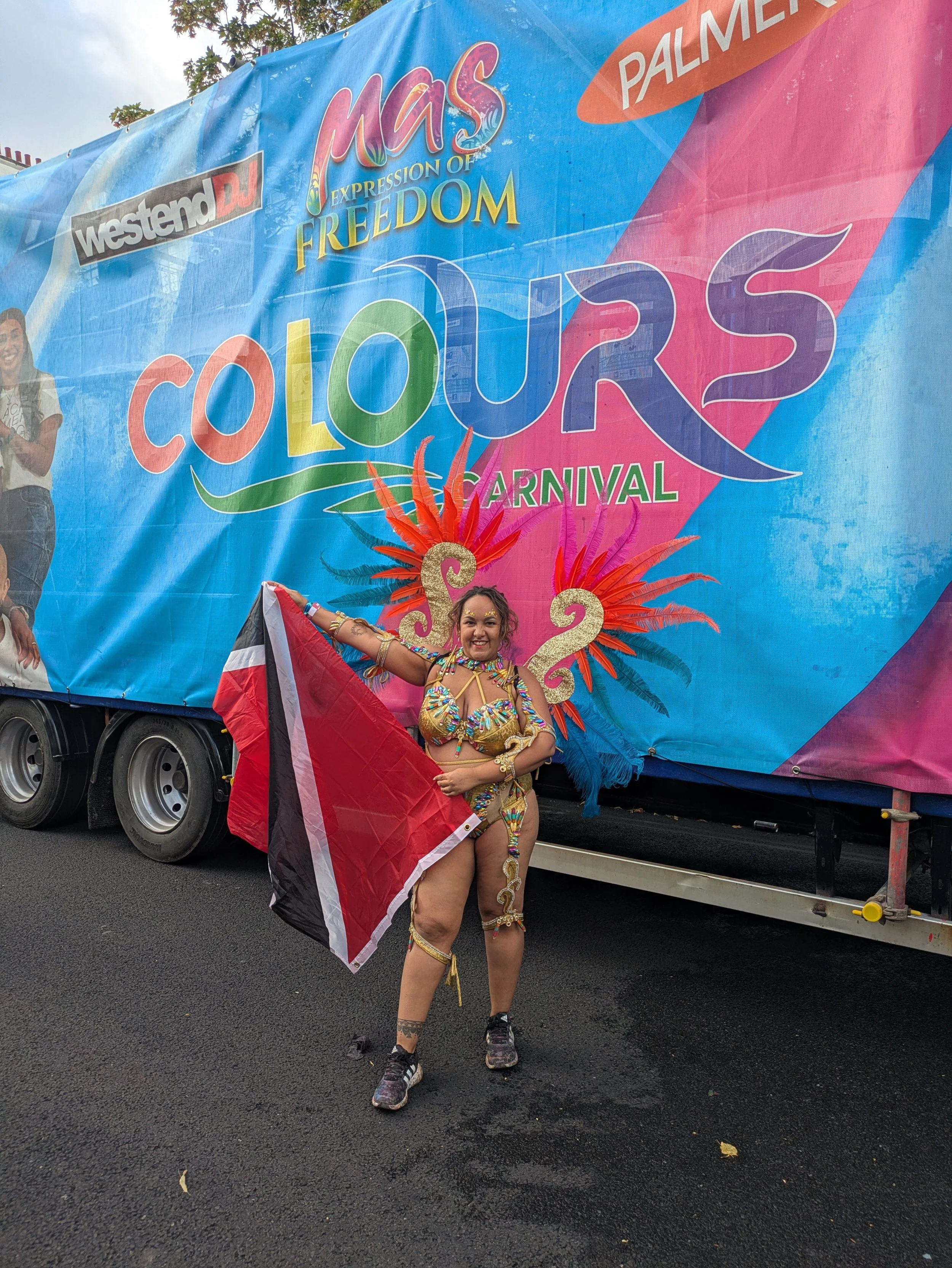
I've been attending Notting Hill Carnival for over a decade, and volunteering for a mas band in the parade for seven years now. J’ouvert - the paint day - is my favourite. Dancing carefree as paint rains down on you, not giving a scooby how you look, is the most liberating feeling. Every few years, I do pretty mas too, adorned in a costume made to make people feel a million dollars, no matter their body shape or age. As a mixed race woman, with Caribbean heritage, Carnival is spiritual to me, and honouring the carnival’s roots in defiance against oppression and celebrating our culture is so important.
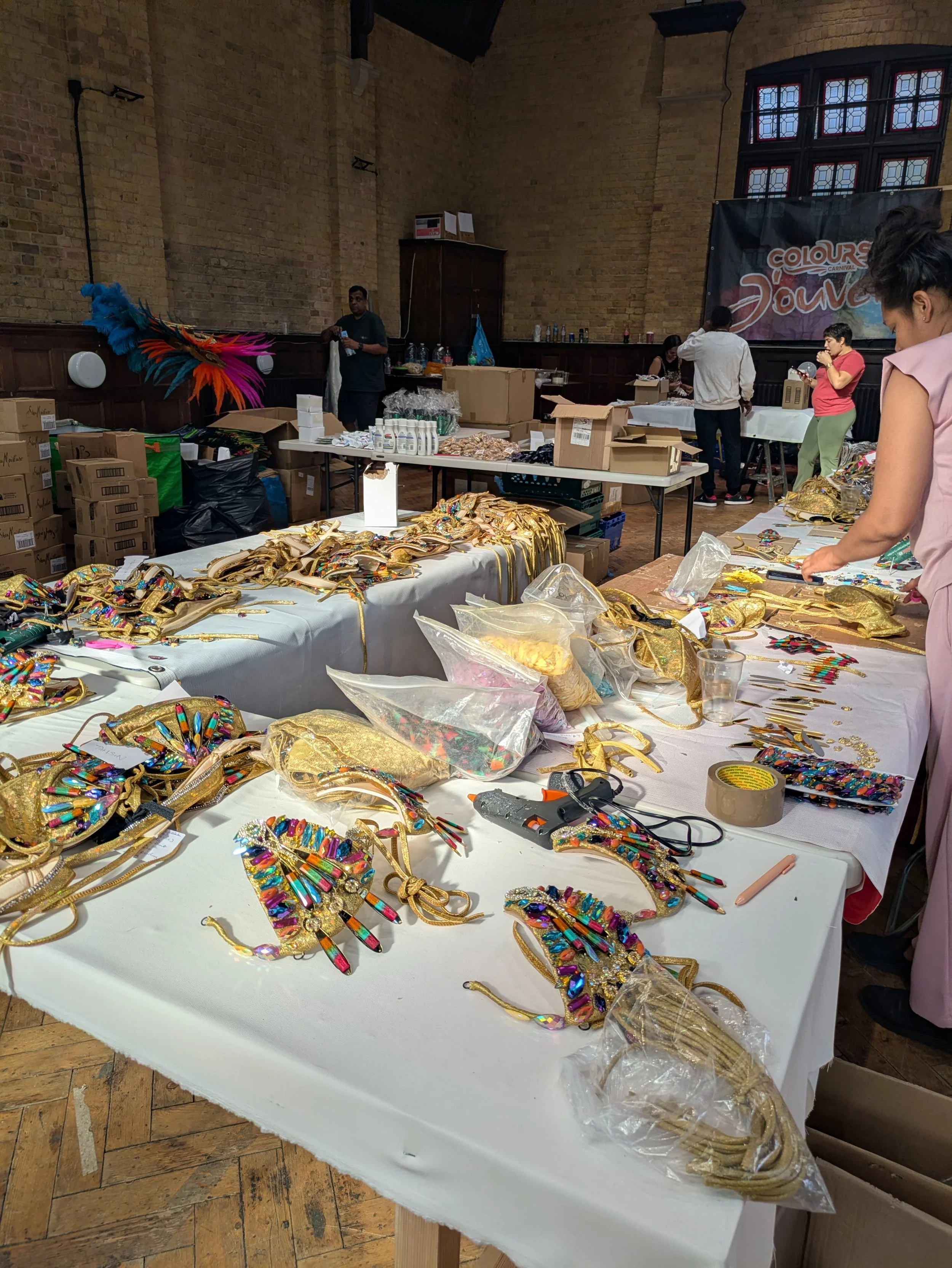
Behind the scenes as a mas band volunteer, it's 11 months of hard work, consisting of brainstorming, sketching, marketing, social media creation, pitching for sponsors, gemming, goodie bag packing, customer support and so much more. The reason I return year after year to a job I don't get paid to do - and one I say everytime “it's my last year” - is because the event itself is just phenomenal. It feels ethereal, dancing in the street, singing at the top of your lungs with strangers, laughing, eating and drinking together. All body types, all races, all ages, united under one sky. The unrivalled happiness it brings genuinely has choked me up when we cross the judging point stage with confetti raining down, everyone in unity. The amount of people who come solo, especially for pretty mas (in feathers) and leave with friends is astounding.
However, my description of Notting Hill Carnival is not one that everyone will expect to read. Because the moment we're a fortnight away from the event, and for about a fortnight after, the UK is dominated by headlines about the crime of this event, and the danger it poses to people and the city.
crime rates compared to other notable events
A popular headline I've seen from various outlets from this year (2026)'s carnival: “Notting Hill Carnival overwhelmingly positive, despite 636 arrests”. Some also noted it was a “record high”. So, what percentage of the 2 million attendees do you think that equates to? 25%? 10%? 1% even? Nope, that equates to 0.000318%. Less than one person per 100,000 people (0.3 people, to be exact) that attended was arrested for allegedly committing a crime. That's less than Reading Festival (34 arrests for 100,000 attendees), less than football matches (four people arrested per 100,000 attendees), and less than Glastonbury (14.76 arrests per 100,000 people).
Any crime isn't great - and my heart goes out to any victims - but the issue is where are the copious headlines on these crime rates of these other events? These make some local headlines, yes, but not the national news with the same tenacity, scale and ferocity, as Notting Hill Carnival despite these events being statistically far more unsafe. Also, I barely see one of the hugest positives - whether you enjoy carnival or not - being highlighted in mainstream media: Notting Hill Carnival boosts London’s economy by nearly £400 million every year (according to City Hall), far more than the £21 million it costs to put on. It supports charities, young people, and so much more, but none of that is perpetuated.
Another angle that is often taken - though I am seeing a little improvement in recent years, due to it being called out on social media - is linking any trouble in London on the August bank holiday weekend to Notting Hill Carnival. There was a very serious and sad crime that took place hours after the event had finished last year (2025), and away from the Carnival route, however it was in West London; headlines and first paragraphs all included Notting Hill Carnival until you read the full body of the article. This year, a man tragically died after being assaulted at Liverpool Street station - the opposite side of London - and yet “Notting Hill Carnival” appeared in headlines reporting his death. I don't wish to trivialise this, as it is awful and incredibly sad, but had he been coming home from anywhere else - Tesco, Fabric nightclub, a family member’s house - would this have been headline-worthy?
There have been serious crimes that have taken place at Notting Hill Carnival - just as there have been in Leicester Square, on London Bridge, and other notable places in the capital. My heart goes out to anyone who has been affected by these crimes, and by talking about the media bias, I don't remove blame from this small minority of criminals. I just wish the coverage before and after Notting Hill Carnival was proportionate and got the same energy that we apply to other locations and events in the capital. We don’t mark these other locations and events with weeks of negative coverage year on year. However, it makes my blood boil thinking of those who actively choose to use the cultural celebration of Carnival as the setting for attacks as they help perpetuate this negative view of carnival that we're all having to fight so hard to defend. To put it bluntly, they deface the legacy of our ancestors and those working so hard throughout the year to not only put on the Carnival but fight against the racist slander in the media.
Relationship with the media
I'm proud to call myself a journalist - and I worked hard to get where I am today - and although I cover events and hospitality rather than news most of the time, I can understand the pressures news journalists are under. In the day and age of clicks, page views, and SEO keywords, the success of these journalists’ work, and possibly their employment, depends on people reading their pieces. We know rage-baiting people works; hell, I've technically done so for the headline of this article, wanting to intrigue people to click and find out what exactly saddens someone who is a huge advocate of the event. However, how, in 2026, it is still acceptable to use racist ideologies to get clicks, page views, and essentially money, is beyond me. It's normalised, which is terrifying, because where does that end?
At the same time, Notting Hill Carnival needs the media to show what we're truly about. One of my many roles for the mas band I volunteer for involves securing media coverage to raise awareness of our band and, ultimately, sell packages to people to be part of the parade. Does that make me a hypocrite, reaching out to the same outlets I'm going to then slander for their news angles after the event? Perhaps. But we need them, the same way they need us for their content.
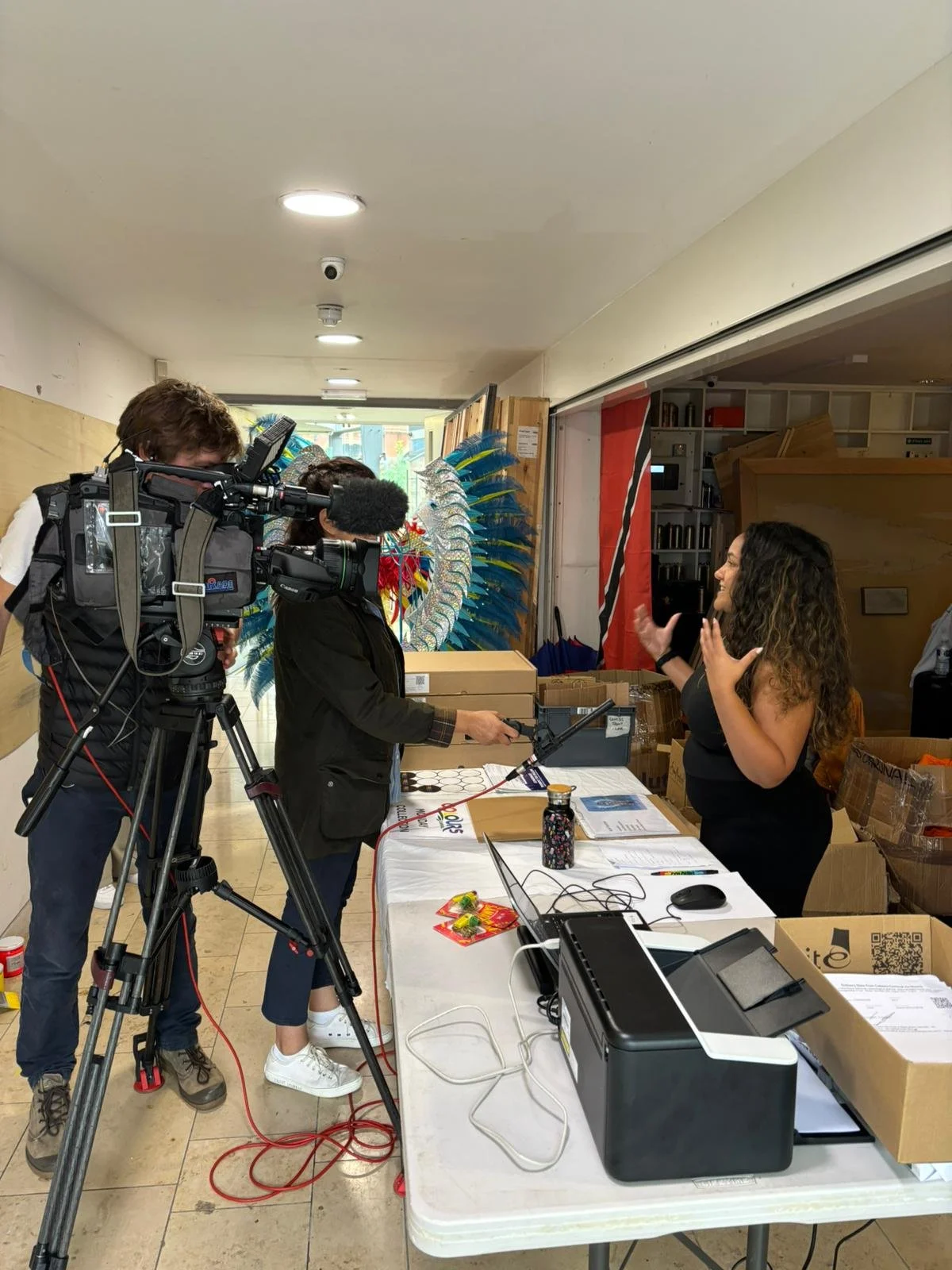
One of the outlets we hosted this year was a huge international news outlet, one we’d previously worked with who is normally quite balanced in their reporting of NHC. This year, they filmed a ton of footage and copious soundbites on the legacy of Carnival, and what it means to the Caribbean community. In the final segment that made it to air and social media, they portrayed our mas band beautifully and positively, but showed just 30 seconds of this, sandwiched between 180 seconds on police preparing for any potential crime around the event. As a friend put it: “the story was about a potential negative outcome - not even actual crime - of a celebratory event.”
As is my promise to myself and my daughter that I laid out in the first paragraph, I reached out to the reporter to discuss the angle they had taken, and how they had represented Carnival. I left the conversation feeling positive for any future collaborations, but still a little disheartened.
Checking our own bias
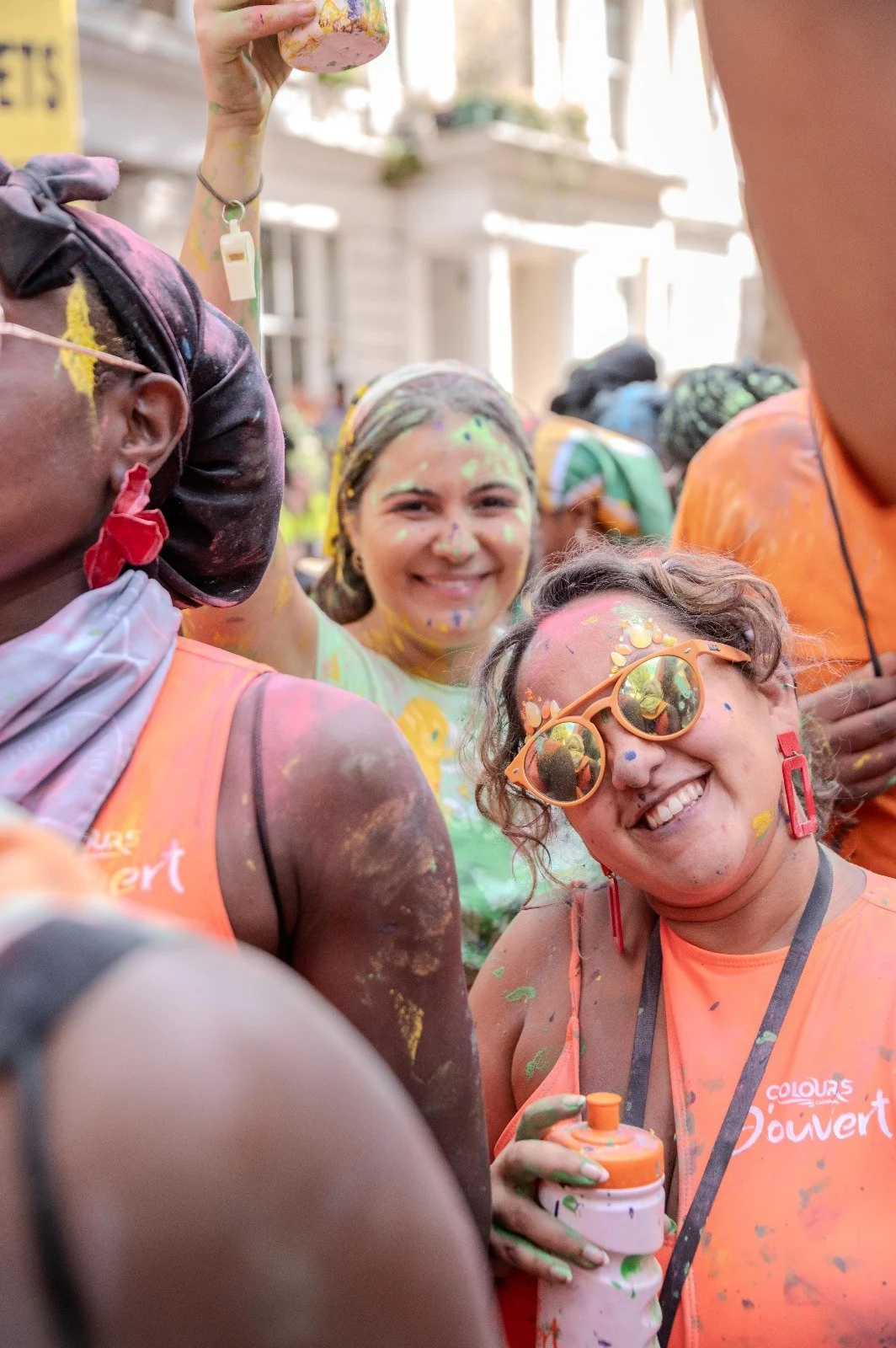
These headlines wouldn't be so successful if they didn't play on something that already existed: our own biases. Another uncomfortable thing I've learnt to do a lot since having a child is putting a mirror up to myself pretty regularly. None of us are perfect.
Part of me feels I shouldn't have to defend something inherently good year after year when the statistics speak for themselves. Sometimes people want to bask in their own ignorance, so all the truth and data in the world doesn't make a difference. However, then I remember that every single time I've had a conversation about the safety of Carnival with someone in person, they've been eager to learn. Sometimes it's not ignorance at all; you simply can't know what you don't know! We only know what we see. At Carnival this year - the same week I started writing this article - I had to check myself! Despite everything I've laid out above, because I also consumed the negative narrative for many years, my gut reaction to seeing an odd movement in the dense crowds was to think something bad was happening. Every single time - and there were quite a few occasions, as the crowds were HEAVING on Carnival Monday - it was either someone taking a wine and other people joining in; people jumping up and down, because of the music on our truck; or a couple of times, it was men hyping each other up pretty overdramatically after one of them had a good wine or chat with a woman… hahahaha. All joyous things.
Other examples of being open to learning from my own experience include when the term “Carni” started to be used in the UK, I adopted it too, before I learnt the cultural nuance about why it is inappropriate. Also, I was reluctant to engage in Jab Jab before I learnt the history of this Grenadian Carnival tradition. We have to be open to learning.
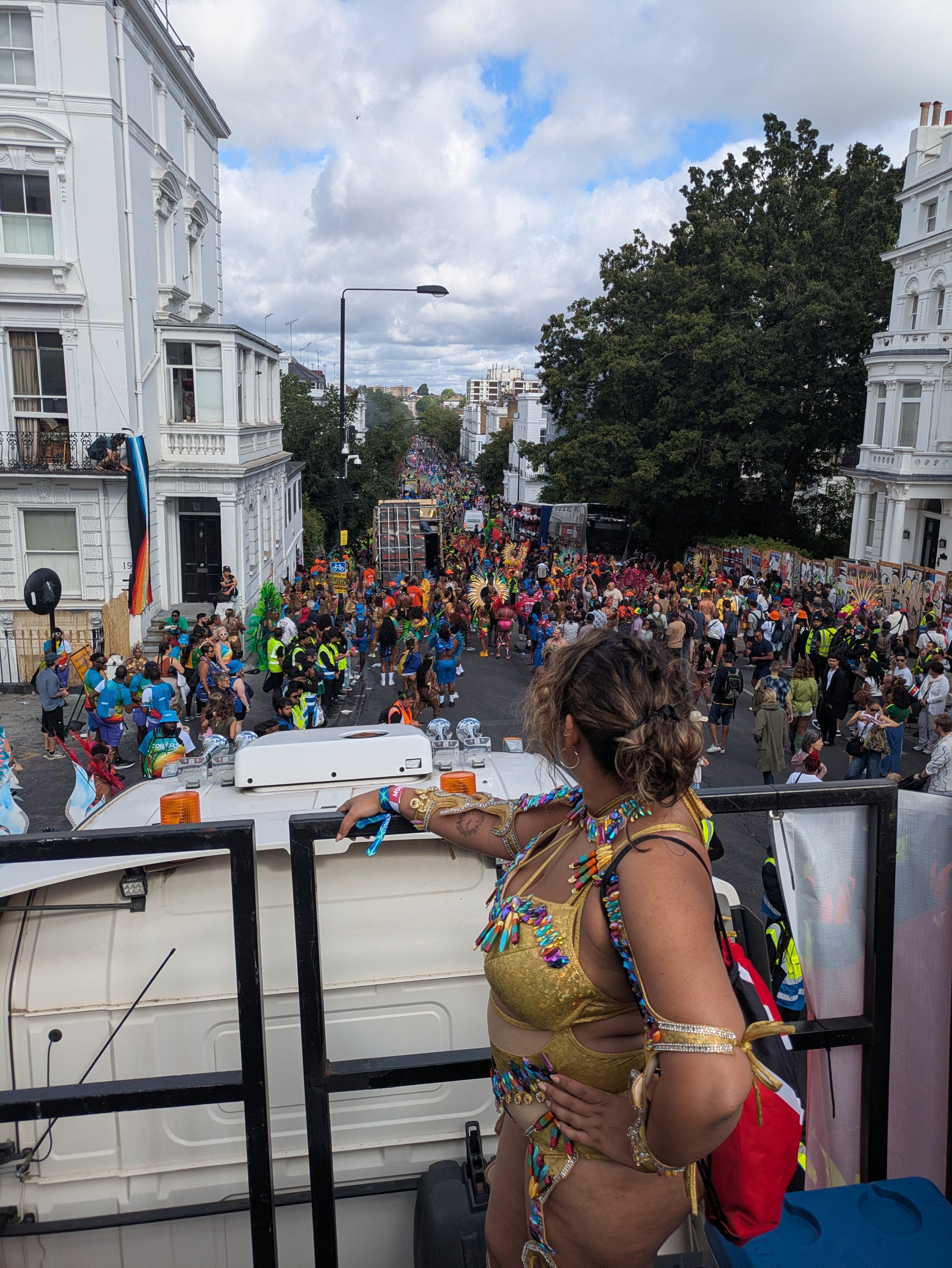
It still makes me sad that I’ve written this article. I still feel at a loss at why I have to defend something inherently good. However, I will forever be loud and proud about Notting Hill Carnival. It’s part of my culture and heritage on a main stage in the city where I was born and bred. Where my parents were born and bred. For a long time, it was the only time of year, aside from Christmas, that my Caribbean heritage came to the forefront of my English upbringing. I want my daughter to be proud of all her roots - English, Caribbean, and if you go further back, Irish, Indian, African, ALL of it. We are one people, and I hope one day our society as a whole embraces that.
Data taken from:
Home Office football arrest statistics 25-26 season
Thames Valley Police - 2026 statistics
Met Police - 2026 statistics
City Hall - 2025 information